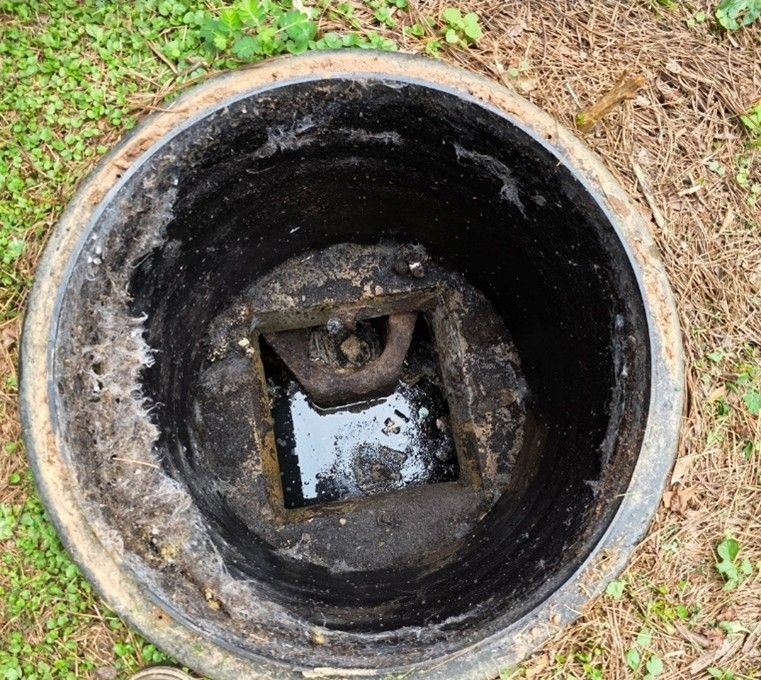

Septic Tank Pumping in Woodstock, GA: How Often and What to Expect
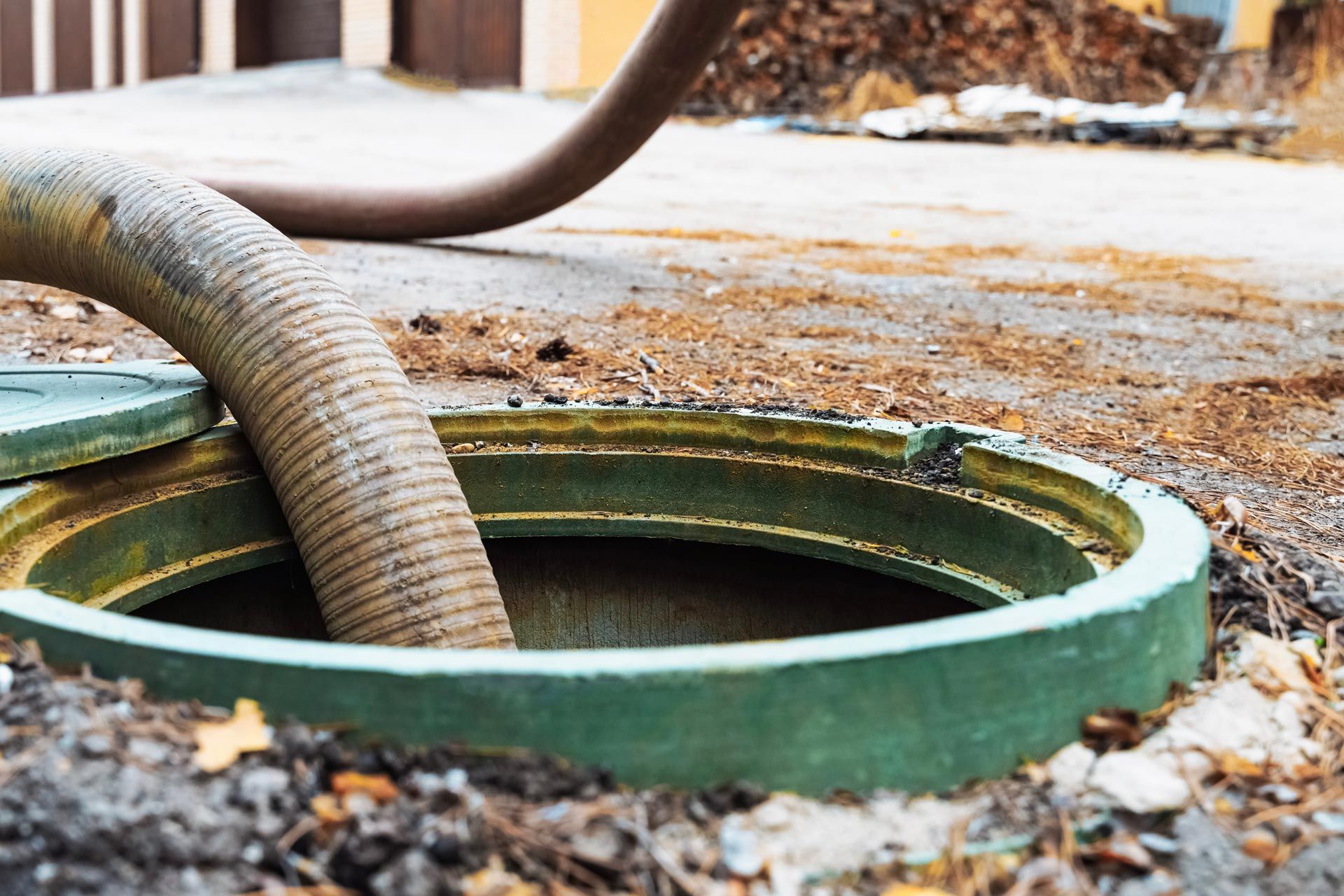
Most Woodstock homeowners should schedule septic tank pumping every three to five years, but that window can close faster than you expect. Household size, system age, and Georgia's seasonal rainfall patterns all affect how quickly your tank fills. Here is what Cherokee County residents need to know to stay ahead of costly backups.
How Your Home's Setup Affects Pumping Frequency in Woodstock, GA
The three-to-five year guideline assumes average conditions. Several factors common to Woodstock area properties can push that schedule closer to every two to three years:
- Household size: A two-person household and a six-person household do not share the same pumping timeline. More occupants means more daily wastewater entering the tank.
- Older tank sizes: Many Cherokee County homes built before the 1990s were constructed with smaller tanks that fill faster under modern water usage habits.
- Garbage disposal use: Disposals push significantly more organic solids into the tank, accelerating buildup between service visits.
- High-volume laundry: Multiple loads per day or back-to-back wash cycles add more water than most systems are designed to absorb at once.
If any of these apply to your property, adjust your schedule rather than waiting for the standard interval to pass.
Why Woodstock's Rainy Seasons Change the Calculus
Georgia's spring and early fall bring heavy rainfall to Cherokee County, and that extra ground saturation puts added pressure on septic drain fields. When the surrounding soil is already saturated, your drain field processes effluent more slowly, which increases the risk of backups and surface pooling near the tank.
Scheduling your septic tank pumping in Woodstock, GA before the spring rainy season leaves your system at full capacity heading into the wettest months. If your tank is even partially full when heavy rains arrive, the risk of overflow rises considerably. Late winter or early fall appointments are generally the smartest timing for Woodstock homeowners looking to stay ahead of seasonal stress.
What to Expect for Pumping Costs in Woodstock
Pumping costs in the Woodstock area vary based on tank size, how accessible the lid is, and whether a condition inspection is included. Tanks that have gone several years past their service date may require more time and effort to pump thoroughly, which can affect the total cost.
Bowen's Septic & Environmental Services provides clear, upfront pricing before any work begins. Routine pumping on a regular schedule is consistently less expensive than the drain field repairs or system replacements that follow years of deferred maintenance.
Protecting Your System Between Pump-Outs
What you do between service visits matters as much as the service itself. A few consistent habits can extend the health of your system and reduce repair calls:
- Spread laundry loads throughout the week rather than running multiple back-to-back cycles
- Avoid flushing wipes, paper towels, grease, or medications down any drain
- Keep heavy vehicles and equipment off the drain field area
- Avoid planting deep-rooted trees or shrubs within 20 feet of your tank
- Watch for early signs like slow drains or faint odors, and call for service rather than waiting for the next scheduled visit
Frequently Asked Questions About Septic Pumping in Woodstock, GA
Should I be home when the septic tank is pumped?
It helps to be available if possible, especially if it is your first service at the property. Our technicians can show you the tank location, walk you through the system condition, and flag anything worth monitoring. If you cannot be home, the service can still move forward with prior arrangements.
Can I skip a pumping if the system seems to be working fine?
A tank that appears normal from inside the house can still be at or near capacity. By the time obvious symptoms appear, the system is already under significant strain. Staying on schedule prevents the kind of damage that requires far more than a pump-out to fix.
Do septic additives reduce how often I need pumping?
A: Bacterial additives and treatments are marketed as interval extenders, but they do not remove the solid waste that accumulates in the tank over time. Professional pumping by a licensed technician is the only reliable way to clear the buildup and keep your system functioning properly.